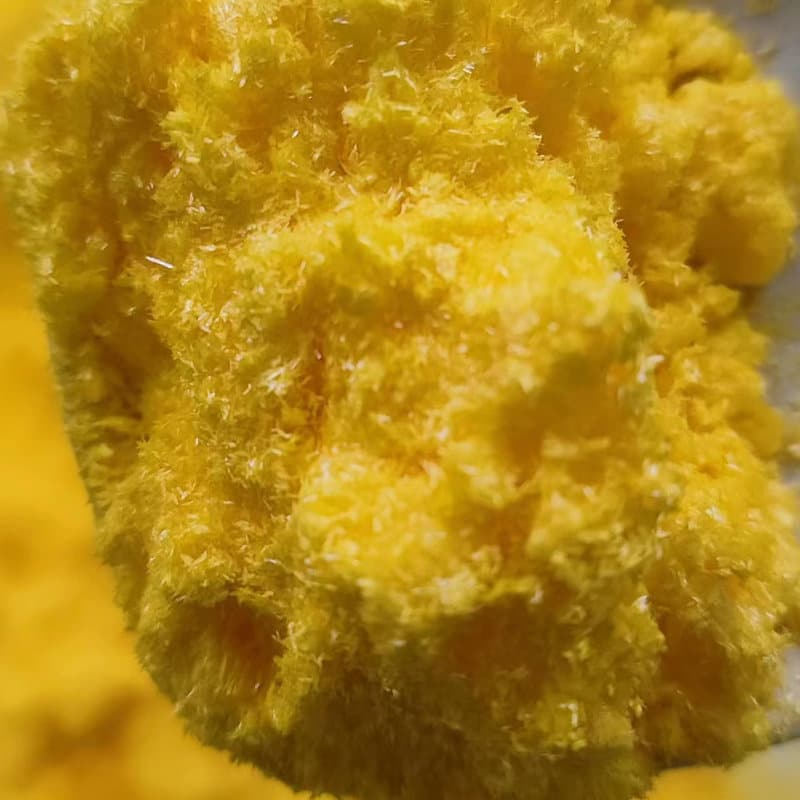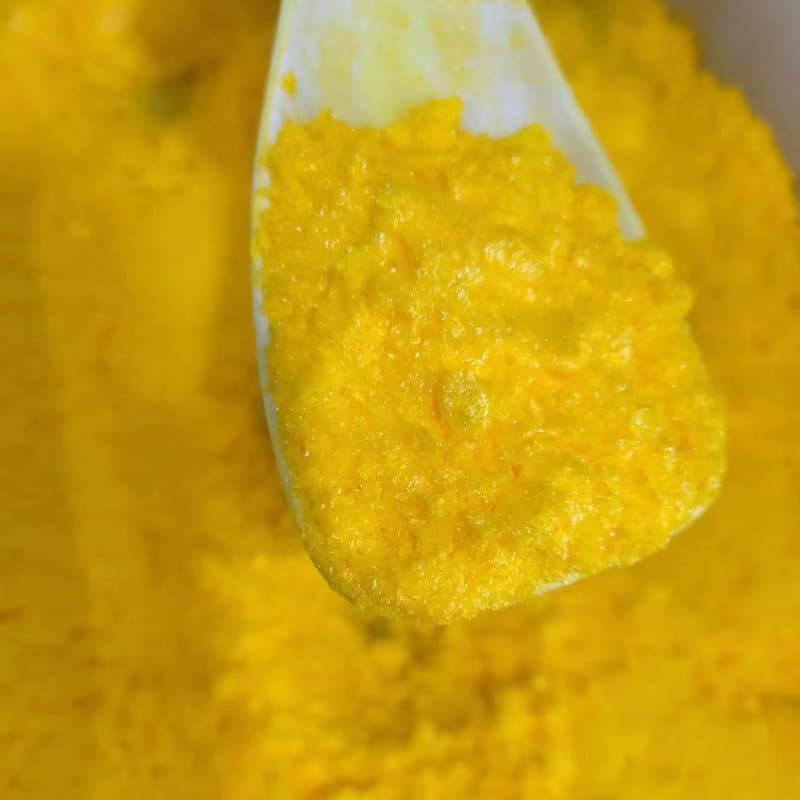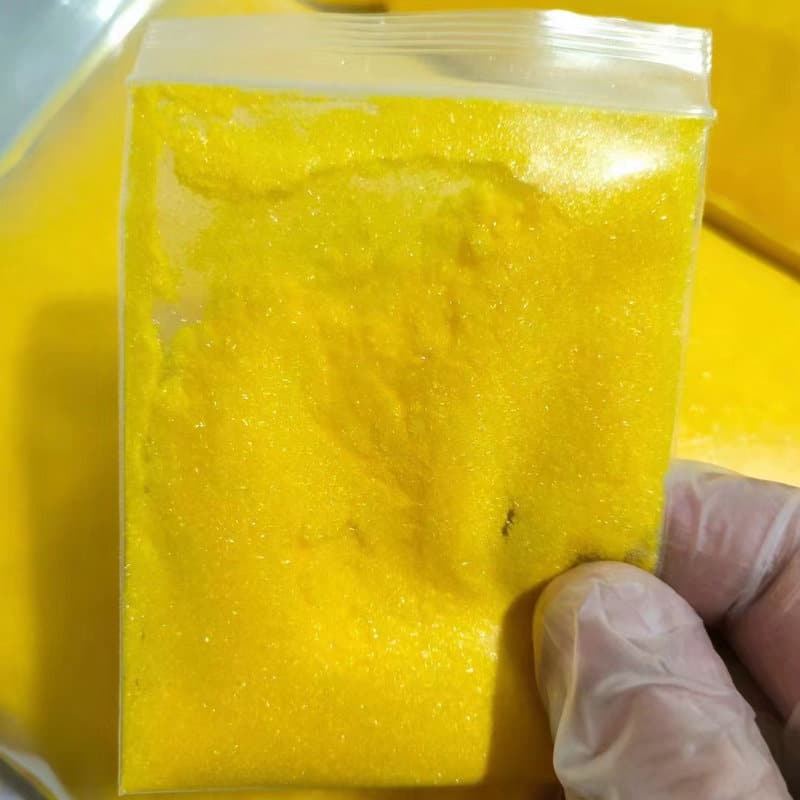
What's the Difference Between Retinal and Retinol? A Complete Skin Care Guide
What's the difference between retinal and retinol? Both are vitamin A derivatives known as retinoids, but retinal (retinaldehyde) is one metabolic conversion step closer to retinoic acid, the form that activates retinoic acid receptors in skin cells. Retinol must first convert into retinal and then into retinoic acid, while retinal requires only the final conversion step.
This makes retinal a potentially more potent cosmetic retinoid, although the number of conversion steps alone does not prove that it works faster or better in every formulation. Retinol remains a popular choice for beginners because it is widely available in different concentrations and formulations.
Both ingredients can help improve the appearance of fine lines, uneven skin tone, and skin texture. However, they differ in chemical structure, formulation requirements, tolerability, and the amount of clinical evidence available.
Retinal vs Retinol: Quick Comparison
| Feature | Retinol | Retinal |
|---|---|---|
| Alternative name | Vitamin A1, all-trans-retinol | Retinaldehyde, all-trans-retinal |
| CAS number | 68-26-8 | 116-31-4 |
| Molecular formula | C20H30O | C20H28O |
| Molecular weight | 286.46 g/mol | 284.44 g/mol |
| Functional group | Alcohol (-OH) | Aldehyde (-CHO) |
| Conversion to retinoic acid | Two main steps | One main step |
| Relative biological potential | More indirect precursor | Closer precursor to retinoic acid |
| Irritation | Possible dryness, peeling, redness | Possible dryness, peeling, redness |
| Common applications | Anti-aging and skin-texture products | Anti-aging and skin-texture products |
| Product availability | Widely available | Available, but fewer options in some markets |
Key takeaway: Retinal is one conversion step closer to active retinoic acid, but the best choice depends on product formulation, concentration, tolerance, and individual skin concerns.
1. What Is Retinol?
Retinol is an alcohol form of vitamin A commonly used in cosmetic products. It belongs to the retinoid family, which includes retinol, retinal, retinoic acid, and various vitamin A esters.
When applied topically, retinol can undergo enzymatic oxidation to form retinal. Retinal can then be converted into retinoic acid, which regulates gene expression through retinoic acid receptors.
What Does Retinol Do for Skin?
Retinol-containing products may provide several benefits with consistent use:
Improve the appearance of fine lines and wrinkles.
Support smoother skin texture.
Help improve uneven-looking pigmentation.
Support skin renewal and collagen-related processes.
Help improve certain mild acne-related concerns.
Clinical outcomes depend on the concentration, vehicle, stability, application frequency, and duration of use.
Retinol is frequently recommended as an introductory cosmetic retinoid because users can choose from a broad range of formulations. However, it can still cause irritation, particularly during the first several weeks.
2. What Is Retinal (Retinaldehyde)?
Retinal, also called retinaldehyde, is an aldehyde form of vitamin A. It is the direct metabolic precursor of retinoic acid within the principal vitamin A oxidation pathway.
Compared with retinol, retinal requires one fewer oxidation step to form retinoic acid.
What Does Retinal Do for Skin?
Topical retinaldehyde has been studied for improving visible signs of photoaging, including skin roughness and wrinkles.
A clinical study published in the Journal of the American Academy of Dermatology evaluated topical retinaldehyde and retinoic acid in people with photodamaged skin. At 18 weeks, both active treatment groups demonstrated improvements in measured wrinkle and roughness parameters compared with baseline, while the vehicle group did not show significant changes.
The study also found that retinaldehyde was better tolerated than retinoic acid under the tested conditions. This does not establish that retinal is always better tolerated than retinol.
Reference: Clinical study of retinaldehyde and retinoic acid.
3. How Do Retinol and Retinal Work Differently?
The principal biochemical difference is how each compound is converted into retinoic acid.
The Vitamin A Conversion Pathway
Retinol → Retinal → Retinoic Acid
Retinol first undergoes oxidation to retinal, followed by a second oxidation step that produces retinoic acid.
Retinal enters this pathway at the intermediate stage and therefore requires only the second oxidation reaction.
Retinoic acid can bind to nuclear retinoic acid receptors and regulate genes involved in skin differentiation and other biological processes.
However, conversion is enzyme-dependent and biologically regulated. It is not correct to assume that every molecule applied to the skin will be converted into retinoic acid or that fewer steps guarantee a fixed increase in clinical effectiveness.
Does One Fewer Conversion Step Make Retinal Better?
Not necessarily.
The shorter pathway provides a scientific reason why retinal may have greater biological potential under certain conditions. But actual product performance also depends on:
Ingredient concentration and delivered dose.
Stability during storage and application.
Vehicle composition and skin penetration.
Individual skin metabolism.
Frequency and consistency of application.
Individual sensitivity and barrier condition.
A well-formulated retinol product may produce better practical results for a particular person than a poorly formulated retinal product.
4. Is Retinal Stronger Than Retinol?
Retinal is generally considered a more direct retinoic acid precursor than retinol, but there is no universal clinical strength multiplier that applies to every product.
Some marketing materials describe retinal as many times more powerful or faster than retinol. Such claims should not be treated as established head-to-head clinical outcomes without reviewing the study methods, concentrations, endpoints, and formulations involved.
For example, a comparison between 0.1% retinal and 0.1% retinol cannot automatically establish which finished product will deliver greater benefits. Ingredient concentration alone does not reveal how much biologically relevant material reaches the skin.
Consumers should prioritize clinically supported formulations and personal tolerability instead of relying only on potency claims.

5. Which Is Better for Wrinkles and Anti-Aging?
Both ingredients may help reduce the appearance of signs associated with photoaging.
Retinol has been investigated in clinical studies for its effects on aged and photodamaged skin. Retinaldehyde has also demonstrated improvements in skin roughness and wrinkles in controlled research.
Retinol for Anti-Aging
Retinol may be a practical choice for people who want to start with a lower-strength cosmetic product and increase usage gradually.
Its wide availability allows consumers to select different product textures and concentrations according to their preferences.
Retinal for Anti-Aging
Retinal may be attractive to people already familiar with topical retinoids who want to explore another formulation with a shorter metabolic pathway to retinoic acid.
However, evidence from separate trials cannot reliably determine which ingredient is superior without appropriately controlled direct comparisons.
Bottom line: Both can support an anti-aging routine. Long-term consistency, tolerability, and daily sun protection matter more than selecting an ingredient solely because it appears stronger on paper.
6. Is Retinal Better Than Retinol for Acne?
Retinoids can support acne management by influencing follicular keratinization and helping reduce the development of clogged pores.
However, not all retinoids have the same strength of clinical evidence for acne treatment.
Prescription or specifically approved acne retinoids, such as adapalene and tretinoin where available, have substantially more established roles in acne management than cosmetic retinol or retinal products.
For mild cosmetic concerns involving uneven texture and occasional clogged pores, either ingredient may be considered depending on the formulation.
People with persistent inflammatory acne, nodules, or acne scarring should seek dermatological guidance rather than relying on cosmetic retinoids alone.
7. Is Retinal More Irritating Than Retinol?
Retinal is sometimes described as more irritating because it is closer to retinoic acid. However, clinical evidence does not support a simple rule that retinal always causes more irritation than retinol.
A comparative clinical investigation of retinol, retinaldehyde, and retinoic acid reported similarly low irritation potential for retinol and retinaldehyde under its tested conditions, while retinoic acid produced more pronounced irritation.
Reference: Tolerance profile of retinol, retinaldehyde and retinoic acid.
Possible Side Effects of Both Ingredients
Dryness and tightness.
Redness or burning sensations.
Flaking and peeling.
Temporary irritation during initial use.
Worsening discomfort when the skin barrier is already compromised.
The risk depends on concentration, formulation, usage frequency, and individual skin sensitivity.
People with sensitive skin should introduce either ingredient cautiously rather than assuming retinal or retinol is universally safer.
8. How Long Does Retinol or Retinal Take to Work?
Retinoid-related improvements are gradual. Most people should assess cosmetic results over weeks to months rather than days.
| Period | What to Expect |
|---|---|
| First 1-4 weeks | Some users experience dryness or irritation while adjusting to treatment. |
| Approximately 4-8 weeks | Subtle changes in skin appearance may become noticeable, although results vary. |
| Approximately 8-12 weeks | Some users may observe more visible improvements in texture or uneven appearance. |
| 3-6 months or longer | Longer-term improvements in photoaging-related outcomes may become more apparent. |
These periods are general expectations, not directly established comparative timelines for every retinol and retinal product.
There is insufficient evidence to promise that retinal will produce visible improvements in a specific fraction of the time required by retinol.
9. Should Beginners Use Retinol or Retinal?
For many beginners, a low-strength retinol formulation is a reasonable starting option because of its availability and established cosmetic use.
However, beginners do not necessarily have to avoid retinal. A suitably formulated, low-strength retinal product may also be appropriate for some users.
Choose Retinol If:
You are new to vitamin A skincare.
You prefer a broad selection of cosmetic products.
You want to introduce retinoids gradually.
You prefer to begin with a low-strength formulation.
Consider Retinal If:
You already tolerate retinoid products.
You want to try a different vitamin A formulation.
You understand that greater biochemical proximity does not guarantee faster visible results.
You are comfortable introducing the ingredient gradually and monitoring irritation.
For highly sensitive skin, eczema-prone skin, or an impaired skin barrier, individual medical guidance may be more important than the choice between these two compounds.
10. How to Use Retinol or Retinal Safely
Introducing a retinoid slowly can reduce the likelihood of unnecessary irritation.
Start with a low-strength formulation. Avoid beginning with the highest concentration available.
Apply at night. Follow the product manufacturer's directions.
Begin with limited frequency. For example, consider two nonconsecutive nights per week initially, increasing gradually if tolerated.
Use moisturizer. A gentle, fragrance-free moisturizer may help reduce dryness.
Avoid excessive layering. Do not immediately combine a new retinoid with multiple potentially irritating exfoliating products.
Wear sunscreen daily. Use broad-spectrum SPF 30 or higher and additional sun-protective measures.
Stop or reduce use if significant irritation develops. Seek professional advice if symptoms persist.
The American Academy of Dermatology recommends starting retinoids cautiously and emphasizes sun protection.
Pregnancy precaution: Retinoids should not be used during pregnancy. If pregnant, planning pregnancy, or considering use while breastfeeding, consult a qualified healthcare professional before using vitamin A-derived skincare products.
Reference: American Academy of Dermatology: Retinoid or Retinol?.

11. Can You Use Retinal and Retinol Together?
Using retinal and retinol together is generally unnecessary because both belong to the same retinoid family and ultimately contribute to retinoic acid signaling through metabolic conversion.
Layering two retinoid products can increase the overall exposure to potentially irritating ingredients without establishing additional clinical benefit.
Most users are better served by selecting one appropriate product and applying it consistently.
If you are transitioning from retinol to retinal, consider replacing your previous product rather than applying both in the same routine.
12. Are Retinol and Retinal Stable in Skincare Formulations?
Both retinol and retinal can be sensitive to environmental conditions, including light, oxygen, and heat.
Their chemical stability matters because degradation can reduce the amount of the intended ingredient remaining in a finished product during storage.
Formulators may use protective packaging, antioxidant systems, appropriate solvent systems, or encapsulation technologies to improve product stability.
Nevertheless, stability cannot be judged from the ingredient name alone. It should be evaluated through product-specific stability testing under relevant conditions.
What Should Skincare Manufacturers Consider?
Raw material identity and purity.
Compatibility with other formula ingredients.
Light and oxygen exposure during processing.
Appropriate packaging selection.
Accelerated and real-time stability testing.
Finished-product assay and degradation monitoring.
Applicable cosmetic safety and regulatory requirements.
For raw material purchasing, specifications such as HPLC assay, impurity profile, COA, SDS, and storage instructions can support quality evaluation.
13. Retinol vs Retinal: Frequently Asked Questions
Is retinal the same as retinol?
No. Retinal and retinol are different vitamin A compounds. Retinol contains an alcohol functional group, whereas retinal contains an aldehyde functional group. They also occupy different positions in the conversion pathway to retinoic acid.
Is retinal stronger than retinol?
Retinal is one metabolic step closer to retinoic acid and may offer greater biological potential in certain formulations. However, there is no universal clinical potency ratio that applies to all products.
Which is better for sensitive skin?
Neither ingredient is automatically better for sensitive skin. A low-strength, well-formulated product introduced gradually may be more suitable than a higher-strength product, regardless of whether it contains retinol or retinal.
Can retinal replace retinol?
Yes. Retinal can be used as an alternative to retinol in a skincare routine. Introduce it gradually because an equivalent percentage does not guarantee equivalent tolerability.
Does retinal work faster than retinol?
Retinal requires fewer biochemical conversion steps, suggesting a potential advantage. However, this does not establish that every retinal product produces faster visible results than every retinol product.
Can you use retinol and retinal every day?
Some people eventually tolerate daily application of a single retinoid product. New users should generally start less frequently and increase usage only as tolerated.
Is retinal better for wrinkles?
Retinal has demonstrated improvements in wrinkle-related measurements in clinical research, and retinol also has evidence supporting its use for photoaging. Available evidence does not establish retinal as universally superior.
Is retinal the same as tretinoin?
No. Retinal is retinaldehyde, a precursor to retinoic acid. Tretinoin is all-trans-retinoic acid itself. They are different substances with different clinical evidence and regulatory considerations.
14. Final Verdict: Retinal or Retinol?
The most important difference between retinal and retinol is their position in the vitamin A conversion pathway. Retinol requires two principal oxidation steps to form retinoic acid, whereas retinal requires one.
Retinal may be an attractive option for people seeking an alternative cosmetic retinoid with a more direct conversion pathway. Retinol remains a practical choice for beginners and users who prefer a wider range of available formulations.
Neither ingredient is universally better, faster, or safer in every finished product.
For the best skincare results, select a suitable concentration and formulation, introduce it gradually, maintain consistent use, and protect your skin from ultraviolet radiation.
Scientific References
Creidi P, et al. Profilometric evaluation of photodamage after topical retinaldehyde and retinoic acid treatment. PubMed: 9843009.
Clinical comparison of retinol, retinaldehyde and retinoic acid tolerability. PubMed: 10473963.
American Academy of Dermatology. Retinoid or Retinol? AAD guidance.