Hydroxypinacolone Retinoate Molekülformel


Veröffentlichungsdatum:

2026-10-09

Hydroxypinacolone Retinoat Molekülformel

```html

Was ist die Molekularformel von Hydroxypinacolon-Retinoat? HPR-Molekularformel, Molekulargewicht und CAS-Nummer im Detail

Hydroxypinacolon-Retinoat (abgekürzt HPR) hat die
Molekularformel C26H38O3
und die CAS-Nummer
893412-73-2bei einem Molekulargewicht von etwa
398,58 g/mol
。

Wenn Sie nach der „Molekularformel von Hydroxypinacolon-Retinoat“ suchen, ist der wichtigste Punkt, den es zu bestätigen gilt:
C26H38O3 bezeichnet die Molekularformel der Verbindung Hydroxypinacolon-Retinoat selbst
. Marktübliche HPR-10%-Lösungen, verkapseltes HPR oder andere kombinierte Rohstoffe können zusätzlich Lösungsmittel, Trägerstoffe und weitere Bestandteile enthalten. Daher darf das gesamte Kombiprodukt nicht einfach als C26H38O3 verstanden werden.

Chinesischer Name
Hydroxypinacolon-Retinoat
Englischer Name
Hydroxypinacolone Retinoate
Abkürzung
HPR
Summenformel
C26H38O3
Molekulargewicht
ca. 398,58 g/mol
CAS-Nummer
893412-73-2
PubChem CID
25054592

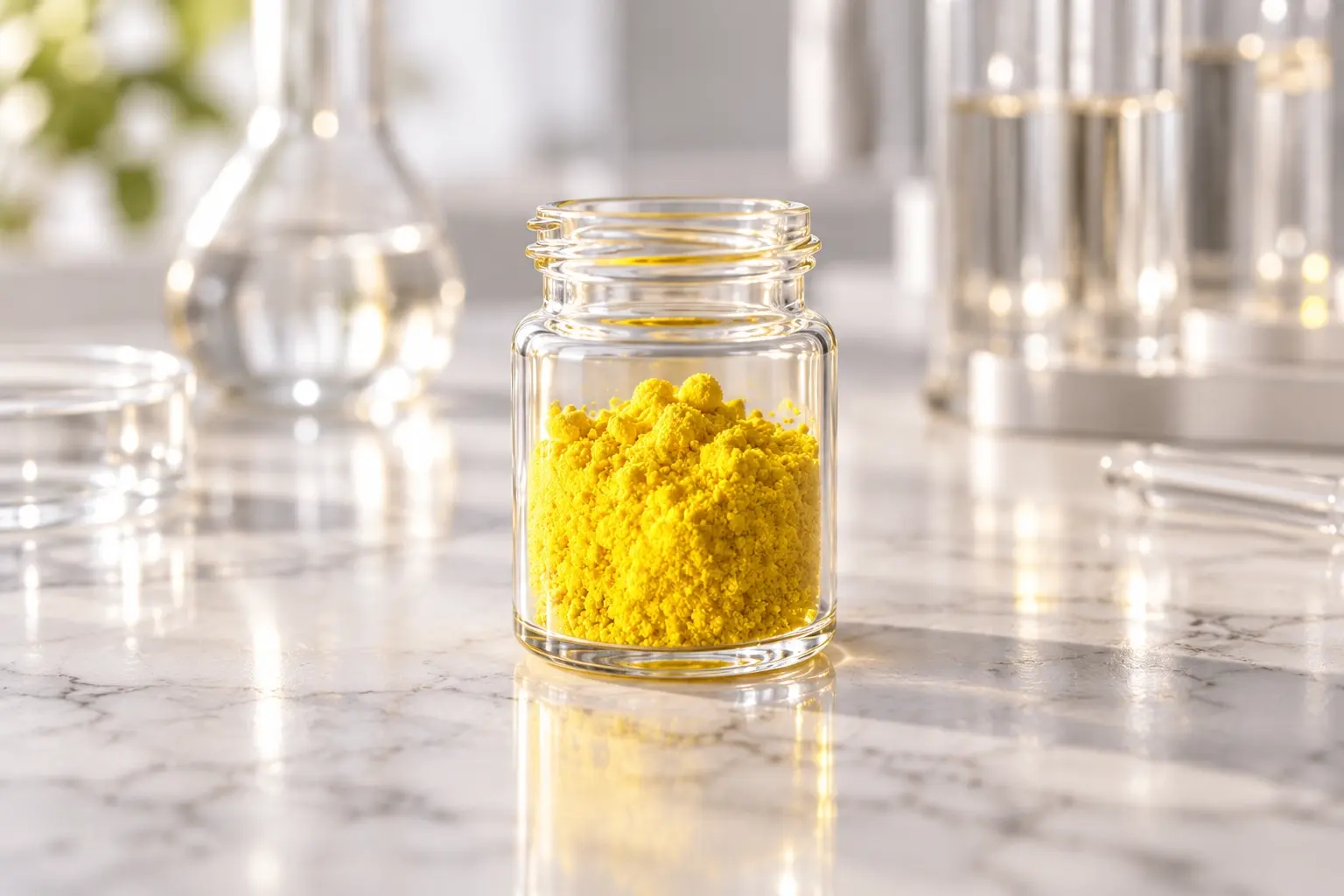
Hydroxypinacolone Retinoate Molekülformel(Bild1)

1. Was ist die Molekülformel von Hydroxypinacolon-Retinoat?

Die chemische Molekülformel von Hydroxypinacolon-Retinoat lautet:

C26H38O3

Diese Molekülformel zeigt, dass ein Molekül Hydroxypinacolon-Retinoat aus
26 Kohlenstoffatomen, 38 Wasserstoffatomen und 3 Sauerstoffatomen
besteht.

Aus Sicht von Beschaffung, Forschung und Entwicklung oder der Überprüfung von Rohstoffdaten muss die Molekülformel in der Regel zusammen mit der CAS-Nummer abgeglichen werden. Die gängige CAS-Nummer von Hydroxypinacolon-Retinoat lautet
893412-73-2Wenn Produktname, CAS-Nummer und Molekülformel in den Lieferantenunterlagen nicht übereinstimmen, sollten Sie weitere Prüfunterlagen wie COA, SDS, TDS, HPLC oder andere Analysedaten heranziehen und nicht allein anhand des chinesischen Produktnamens entscheiden.

2. Wie hoch ist das Molekulargewicht von HPR?

Basierend auf der Elementzusammensetzung von C26H38O3 beträgt die relative Molekülmasse von Hydroxypinacolon-Retinoat etwa
398.58, daher wird in gängigen Quellen üblicherweise angegeben:

Molecular Weight: 398,58 g/mol

Einige Datenbanken schreiben den Wert je nach Anzeigegenauigkeit als 398,6 g/mol, was lediglich eine unterschiedliche Anzahl von Dezimalstellen bedeutet und nicht auf unterschiedliche Substanzen hinweist.

Drei: Worin unterscheiden sich Summenformel und Strukturformel von Hydroxypinacolon-Retinoat?

Bei der Recherche zu HPR-Informationen stößt man häufig gleichzeitig auf „Summenformel“ und „Strukturformel“, doch die beiden Begriffe sind nicht dasselbe.

Summenformel C26H38O3
gibt hauptsächlich an, welche drei Elemente Kohlenstoff, Wasserstoff und Sauerstoff in HPR enthalten sind und wie viele Atome davon vorhanden sind; die
Strukturformel
hingegen zeigt zusätzlich, wie diese Atome miteinander verbunden sind, und kann die funktionellen Gruppen sowie die gesamte chemische Struktur des Moleküls wiedergeben.

Wenn es also nur darum geht, den Rohstoff zu identifizieren oder grundlegende Produktparameter auszufüllen, reicht in der Regel die Summenformel aus; wenn es jedoch um die Untersuchung der chemischen Struktur, die Identifizierung von Rohstoffen oder weiterführende technische Analysen geht, sind zusätzlich Angaben wie Strukturformel, SMILES, InChI, NMR usw. erforderlich.
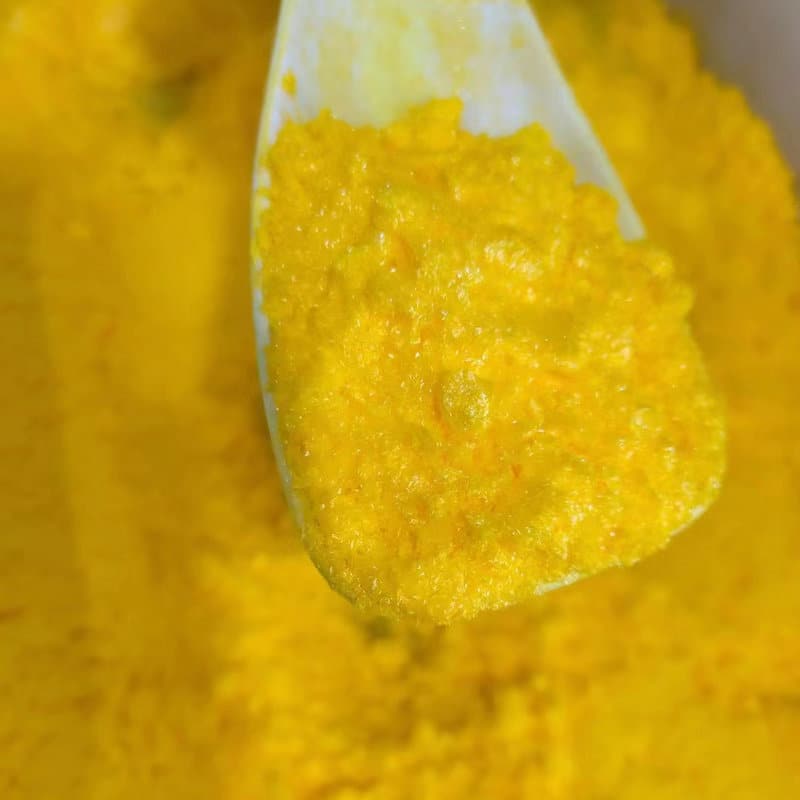
Hydroxypinacolone Retinoate Molekülformel(Bild2)

IV. Warum lautet die Summenformel von HPR C26H38O3?

Hydroxypinacolon-Retinoat gehört zu den Retinsäure-verwandten Esterverbindungen. In öffentlichen chemischen Datenbanken lassen sich der systematische chemische Name und die entsprechenden Strukturinformationen abrufen. Die molekulare Zusammensetzung lässt sich letztlich auf 26 Kohlenstoffatome, 38 Wasserstoffatome und 3 Sauerstoffatome zurückführen, daher wird die Summenformel geschrieben als
C26H38O3
。

Für tatsächliche Einkäufer ist es nicht notwendig, die Summenformel allein anhand des Namens abzuleiten; eine zuverlässigere Methode ist die gleichzeitige Überprüfung von
CAS 893412-73-2, englischer Name Hydroxypinacolone Retinoate sowie Summenformel C26H38O3
。

V. Ist die Summenformel von reinem HPR und einer 10%igen HPR-Lösung identisch?

Dies ist ein Problem, das bei Einkäufern und Formulierern leicht zu Verwechslungen führt.

Reines Hydroxypinacolon-Retinoat selbst hat die Summenformel C26H38O3.

Auf dem Markt gibt es jedoch auch Handelsformen wie 10%ige HPR-Lösung, öllösliches HPR, verkapseltes HPR usw. Solche Produkte können aus HPR und Lösungsmitteln, Trägern oder anderen Hilfsstoffen bestehen, daher gehören sie zu
Mischsystemen
,不能用一个C26H38O3代表整个商品的全部组成。

例如,一款标称“HPR 10%”的原料,其“10%”通常描述的是产品中HPR的含量,而不是说HPR本身的分子式发生了变化。

六、查询HPR分子式时还应该同时确认哪些参数?

如果查询“羟基频哪酮视黄酸酯分子式”的目的是采购原料或者进行配方开发,建议不要只确认C26H38O3,还可以同时核对以下信息:

  • 产品名称:
    羟基频哪酮视黄酸酯 / Hydroxypinacolone Retinoate

  • 简称:
    HPR

  • CAS号:
    893412-73-2

  • 分子式:
    C26H38O3

  • 分子量:
    ca. 398,58 g/mol

  • Produktgehalt:
    Prüfen, ob es sich um hochkonzentrierten HPR-Rohstoff oder eine HPR-Formulierungslösung handelt

  • Testmethode:
    HPLC- und andere Prüfinformationen anhand der Lieferantendaten abgleichen

  • Chargendokumentation:
    COA-, SDS-, TDS- und weitere Dokumente einsehen

Bei Großbestellungen ist besonders zwischen den "grundlegenden Parametern des chemischen Stoffes selbst" und den "Spezifikationsparametern des vom Lieferanten tatsächlich gelieferten Produkts" zu unterscheiden. Erstere können über autoritative Datenbanken abgeglichen werden, letztere sollten auf den Prüfberichten und Produktspezifikationen der konkreten Charge basieren.
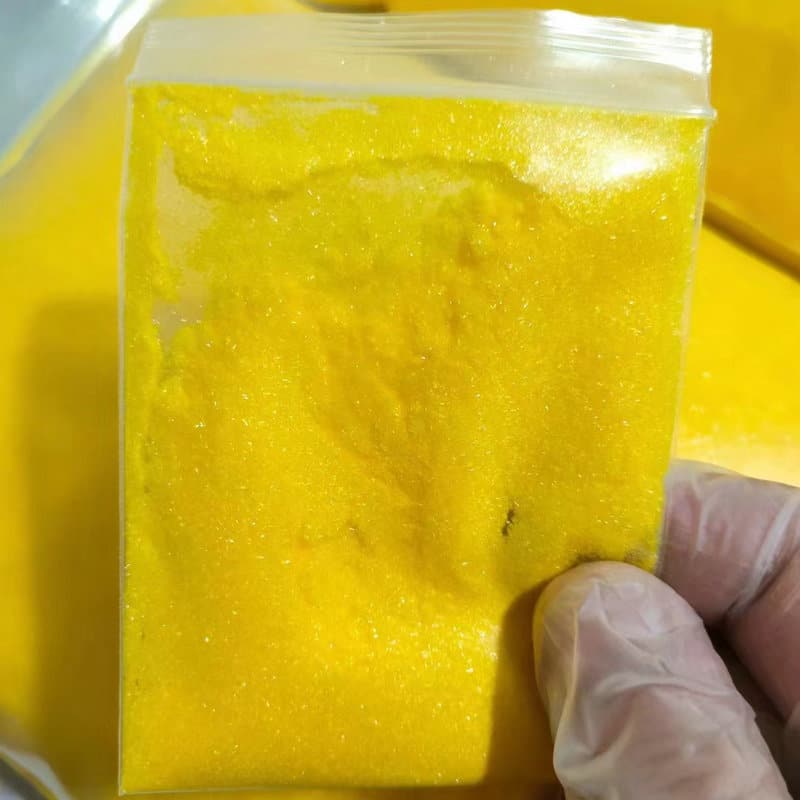
Hydroxypinacolone Retinoate Molekülformel(Bild3)

VII. Häufige Fragen zur Summenformel von Hydroxypinacolon-Retinoat

1. Wie lautet die Summenformel von Hydroxypinacolon-Retinoat?

Die Summenformel von Hydroxypinacolon-Retinoat (HPR) lautet
C26H38O3
。

2. Wie lautet die CAS-Nummer von HPR?

Die gängige CAS-Nummer ist
893412-73-2。

3. Wie hoch ist das Molekulargewicht von Hydroxypinacolon-Retinoat?

Das Molekulargewicht beträgt etwa
398,58 g/mol
,je nach Datenbank wird es mit Dezimalstellen als 398,6 g/mol angezeigt.

4. Ist die Summenformel von HPR 10% ebenfalls C26H38O3?

C26H38O3 ist die Summenformel von
Hydroxypinacolon-Retinoat als Verbindung selbst
。HPR 10% enthält als Handelsprodukt in der Regel noch Lösungsmittel oder andere Trägerstoffe, daher handelt es sich bei dem gesamten Produkt um ein Gemisch, dessen Zusammensetzung nicht einfach mit C26H38O3 dargestellt werden kann.

5. Sind Hydroxypinacolon-Retinoat und HPR derselbe Rohstoff?

In kosmetischen Rohstoffen und zugehörigen technischen Unterlagen ist HPR in der Regel die Abkürzung für Hydroxypinacolone Retinoate, also Hydroxypinacolon-Retinoat. Bei der Beschaffung wird dennoch empfohlen, die Bestätigung anhand der CAS-Nummer 893412-73-2 vorzunehmen.

Zusammenfassung

von Hydroxypinacolon-Retinoat
Die Summenformel lautet C26H38O3
, der englische Name ist
Hydroxypinacolone Retinoate
, oft abgekürzt als
HPR
und die CAS-Nummer
893412-73-2bei einem Molekulargewicht von etwa
398,58 g/mol
。

Für Einkäufer von Rohstoffen und Mitarbeiter in der Formulierungsentwicklung ist die Abfrage der Summenformel nur der erste Schritt zur Bestätigung der Produktidentität. Bei der tatsächlichen Beschaffung sollten zusätzlich der Produktgehalt, die Prüfmethoden sowie Chargen- und technische Dokumente wie COA, SDS und TDS geprüft werden. Besonders ist dabei zwischen
reinem HPR-Rohstoff
und
zusammengesetzten Produkten wie HPR 10 % zu unterscheiden
。

```

Tags:


Hinterlassen Sie Ihre Informationen

Wenn Sie Anregungen oder Fragen haben, kontaktieren Sie uns gerne!

Ausgewählte Produkte

Scannen Sie den Code, um WhatsApp hinzuzufügen

Scannen Sie den Code, um WhatsApp hinzuzufügen
We use cookie to improve your online experience. By continuing to browse this website, you agree to our use of cookie.

Cookies

Please read our Terms and Conditions and this Policy before accessing or using our Services. If you cannot agree with this Policy or the Terms and Conditions, please do not access or use our Services. If you are located in a jurisdiction outside the European Economic Area, by using our Services, you accept the Terms and Conditions and accept our privacy practices described in this Policy.
We may modify this Policy at any time, without prior notice, and changes may apply to any Personal Information we already hold about you, as well as any new Personal Information collected after the Policy is modified. If we make changes, we will notify you by revising the date at the top of this Policy. We will provide you with advanced notice if we make any material changes to how we collect, use or disclose your Personal Information that impact your rights under this Policy. If you are located in a jurisdiction other than the European Economic Area, the United Kingdom or Switzerland (collectively “European Countries”), your continued access or use of our Services after receiving the notice of changes, constitutes your acknowledgement that you accept the updated Policy. In addition, we may provide you with real time disclosures or additional information about the Personal Information handling practices of specific parts of our Services. Such notices may supplement this Policy or provide you with additional choices about how we process your Personal Information.


Cookies

Cookies are small text files stored on your device when you access most Websites on the internet or open certain emails. Among other things, Cookies allow a Website to recognize your device and remember if you've been to the Website before. Examples of information collected by Cookies include your browser type and the address of the Website from which you arrived at our Website as well as IP address and clickstream behavior (that is the pages you view and the links you click).We use the term cookie to refer to Cookies and technologies that perform a similar function to Cookies (e.g., tags, pixels, web beacons, etc.). Cookies can be read by the originating Website on each subsequent visit and by any other Website that recognizes the cookie. The Website uses Cookies in order to make the Website easier to use, to support a better user experience, including the provision of information and functionality to you, as well as to provide us with information about how the Website is used so that we can make sure it is as up to date, relevant, and error free as we can. Cookies on the Website We use Cookies to personalize your experience when you visit the Site, uniquely identify your computer for security purposes, and enable us and our third-party service providers to serve ads on our behalf across the internet.

We classify Cookies in the following categories:
 ●  Strictly Necessary Cookies
 ●  Performance Cookies
 ●  Functional Cookies
 ●  Targeting Cookies


Cookie List
A cookie is a small piece of data (text file) that a website – when visited by a user – asks your browser to store on your device in order to remember information about you, such as your language preference or login information. Those cookies are set by us and called first-party cookies. We also use third-party cookies – which are cookies from a domain different than the domain of the website you are visiting – for our advertising and marketing efforts. More specifically, we use cookies and other tracking technologies for the following purposes:

Strictly Necessary Cookies
These cookies are necessary for the website to function and cannot be switched off in our systems. They are usually only set in response to actions made by you which amount to a request for services, such as setting your privacy preferences, logging in or filling in forms. You can set your browser to block or alert you about these cookies, but some parts of the site will not then work. These cookies do not store any personally identifiable information.

Functional Cookies
These cookies enable the website to provide enhanced functionality and personalisation. They may be set by us or by third party providers whose services we have added to our pages. If you do not allow these cookies then some or all of these services may not function properly.

Performance Cookies
These cookies allow us to count visits and traffic sources so we can measure and improve the performance of our site. They help us to know which pages are the most and least popular and see how visitors move around the site. All information these cookies collect is aggregated and therefore anonymous. If you do not allow these cookies we will not know when you have visited our site, and will not be able to monitor its performance.

Targeting Cookies
These cookies may be set through our site by our advertising partners. They may be used by those companies to build a profile of your interests and show you relevant adverts on other sites. They do not store directly personal information, but are based on uniquely identifying your browser and internet device. If you do not allow these cookies, you will experience less targeted advertising.

How To Turn Off Cookies
You can choose to restrict or block Cookies through your browser settings at any time. Please note that certain Cookies may be set as soon as you visit the Website, but you can remove them using your browser settings. However, please be aware that restricting or blocking Cookies set on the Website may impact the functionality or performance of the Website or prevent you from using certain services provided through the Website. It will also affect our ability to update the Website to cater for user preferences and improve performance. Cookies within Mobile Applications

We only use Strictly Necessary Cookies on our mobile applications. These Cookies are critical to the functionality of our applications, so if you block or delete these Cookies you may not be able to use the application. These Cookies are not shared with any other application on your mobile device. We never use the Cookies from the mobile application to store personal information about you.

If you have questions or concerns regarding any information in this Privacy Policy, please contact us by email at . You can also contact us via our customer service at our Site.