


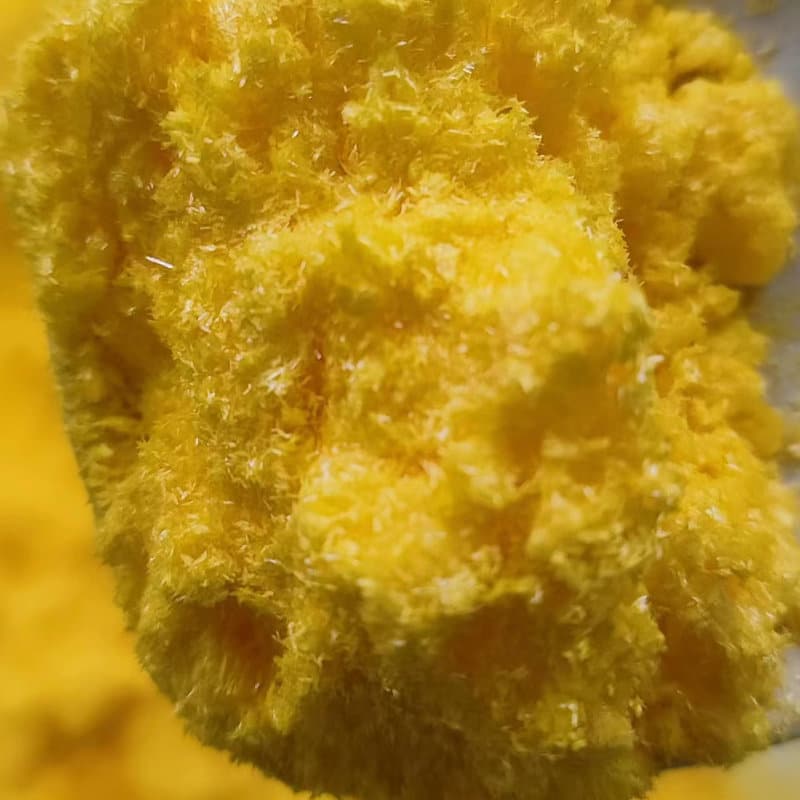
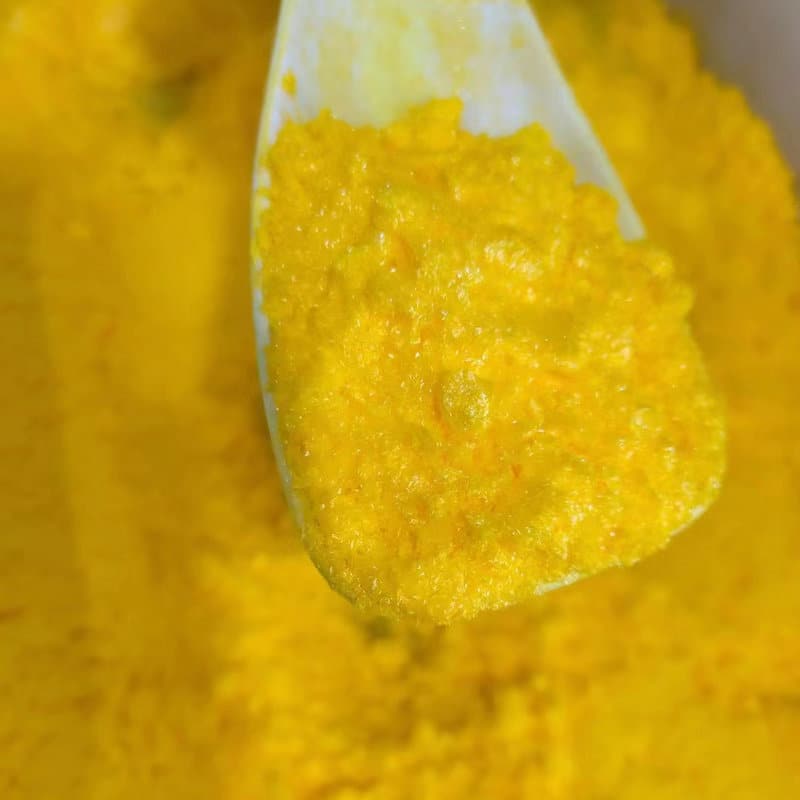
Retinal 98% 116-31-4 Vitamin-A-Aldehyd
Retinal 98% 116-31-4 Vitamin-A-Aldehyd
Veröffentlichungsdatum:
2026-10-09
Hydroxypinacolone Retinoat Strukturformel
```html
Die Strukturformel von Hydroxypinacolon-Retinoat ist eine Information, die viele Kosmetikentwickler und Rohstoffeinkäufer zuerst bestätigen müssen, wenn sie sich mit HPR (Hydroxypinacolone Retinoate) befassen. Hydroxypinacolon-Retinoat ist eine Retinsäureester-Verbindung, die CAS-Nummer lautet
893412-73-2und die Summenformel lautet
C26H38O3
das relative Molekulargewicht beträgt etwa
398.58。
Ausgehend von der Molekülstruktur behält Hydroxypinacolon-Retinoat die typische konjugierte Polyenstruktur der Vitamin-A-Klasse bei, während die Carboxylgruppe am Ende der Retinsäure durch Veresterung eine neue Esterstruktur bildet. Dieser Artikel erläutert die Strukturformel, Summenformel, strukturelle Merkmale, SMILES sowie praktische Methoden zur Identifizierung des Rohstoffs von Hydroxypinacolon-Retinoat.
| Chinesischer Name | Hydroxypinacolon-Retinoat |
| Englischer Name | Hydroxypinacolone Retinoate |
| Gängige Abkürzung | HPR |
| CAS-Nummer | 893412-73-2 |
| Summenformel | C26H38O3 |
| Molekulargewicht | ca. 398,58 g/mol |
| PubChem CID | 25054592 |
| InChIKey | XLPLFRLIWKRQFT-XUJYDZMUSA-N |
Zu beachten ist, dass
Strukturformel und Summenformel nicht dasselbe Konzept sind
。C26H38O3 gibt lediglich an, dass ein Molekül Hydroxypinacolon-Retinoat 26 Kohlenstoffatome, 38 Wasserstoffatome und 3 Sauerstoffatome enthält, während die Strukturformel zusätzlich zeigt, wie diese Atome konkret miteinander verbunden sind.
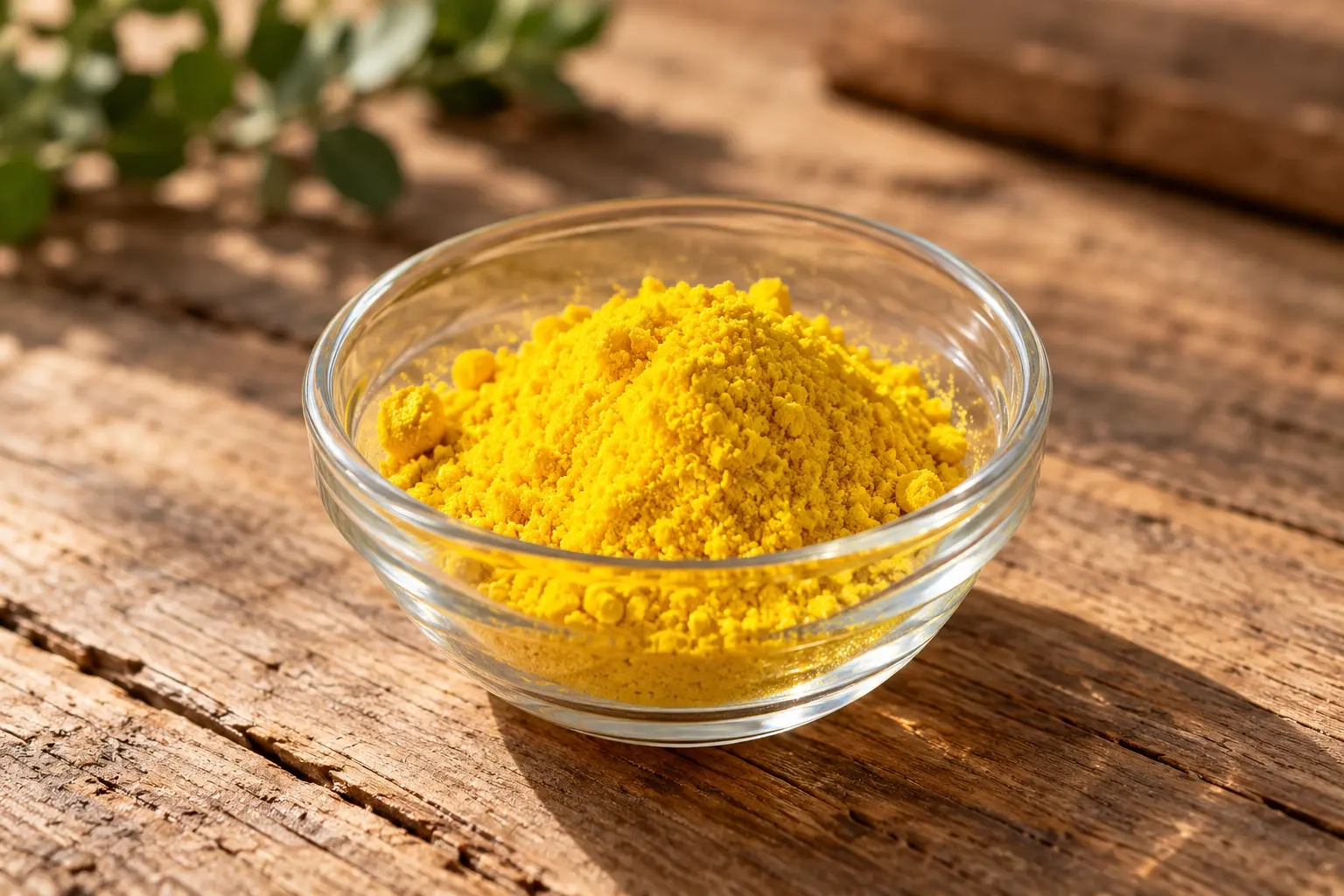
Aus der Strukturformel von Hydroxypinacolon-Retinoat ist ersichtlich, dass sein Molekül kein einfacher kurzkettiger Ester ist, sondern deutlich strukturelle Merkmale von Vitamin-A-Verbindungen aufweist.
Im HPR-Molekül liegen eine durchgehende ungesättigte Kohlenstoffkette und mehrere konjugierte Doppelbindungen vor, was ebenfalls eines der wichtigen strukturellen Merkmale von Retinoid-Verbindungen ist.
Ein Ende seiner Struktur enthält einen methylsubstituierten Cyclohexen-Ring, an den eine längere konjugierte Polyenkette anschließt, gefolgt von einer Estergruppe und einer carbonylhaltigen Seitenkette.
Aus chemischer Struktursicht kann Hydroxypinacolon-Retinoat als ein Esterderivat der Retinsäure dargestellt werden.
Einer seiner systematischen Namen lautet:
(3,3-dimethyl-2-oxobutyl) (2E,4E,6E,8E)-3,7-dimethyl-9-(2,6,6-trimethylcyclohexen-1-yl)nona-2,4,6,8-tetraenoate
Obwohl dieser Name recht lang ist, beschreibt er bereits wichtige Informationen wie die Positionen der Doppelbindungen, die Substituenten und die Esterstruktur im HPR-Molekül.
Die Summenformel von Hydroxypinacolon-Retinoat ist C26H38O3, wobei die 3 Sauerstoffatome hauptsächlich aus der Estergruppe und carbonylbezogenen Strukturen stammen.
Daher kann man anhand der HPR-Strukturformel nicht nur das konjugierte Retinoid-Grundgerüst erkennen, sondern auch direkt den veresterten Teil, der sich von der Struktur gewöhnlichen Retinols unterscheidet.
Neben den üblichen zweidimensionalen chemischen Strukturformeln werden in chemischen Datenbanken, Rohstoffdatenbanken und wissenschaftlichen Materialien häufig SMILES zur Darstellung von Verbindungsstrukturen verwendet.
Die in PubChem erfasste Struktur von Hydroxypinacolon-Retinoat kann durch folgende SMILES dargestellt werden:
CC1=C(C(CCC1)(C)C)\/C=C\/C(=C\/C=C\/C(=C\/C(=O)OCC(=O)C(C)(C)C)\/C)\/C
SMILES ist eine Methode, um Molekülstrukturen in Textzeichen umzuwandeln. Sie wird hauptsächlich für die Suche in chemischen Datenbanken, die Struktursuche sowie die Molekülerkennung in chemischer Informationssoftware verwendet.
Für den normalen Einkauf von Kosmetikrohstoffen ist es nicht erforderlich, vollständige SMILES zu kennen. Wenn jedoch die vom Lieferanten bereitgestellten Strukturunterlagen, CAS-Informationen oder Ergebnisse von Drittanbieter-Analysen überprüft werden müssen, können SMILES, InChIKey und CAS-Nummer als unterstützende Identifikationsinformationen dienen.
Bei der Suche nach „Hydroxypinacolon-Retinoat Strukturformel“ stößt man häufig gleichzeitig auf C26H38O3, wodurch beide leicht verwechselt werden.
Tatsächlich gilt:
Summenformel:
C26H38O3
Sie gibt lediglich die Anzahl der einzelnen Elemente im HPR-Molekül an.
Strukturformel:
Sie zeigt, auf welche Weise die 26 Kohlenstoffatome, 38 Wasserstoffatome und 3 Sauerstoffatome konkret miteinander verbunden sind, und kann zugleich Informationen über Doppelbindungen, Esterbindungen, Carbonylgruppen sowie ringförmige Strukturen darstellen.
Bei der Beurteilung, ob eine Substanz Hydroxypinacolon-Retinoat ist, reicht es daher nicht aus, nur C26H38O3 zu sehen – eine genauere Methode besteht darin, gleichzeitig
CAS-Nummer, Strukturformel, Summenformel, Molekulargewicht sowie analytische Testdaten zu überprüfen
。
Die Struktur von HPR enthält den für Retinoid-Verbindungen typischen cyclischen Endrest sowie eine konjugierte Polyenkette.
Betrachtet man die strukturelle Herkunft, lässt es sich als Esterderivat der Retinsäure verstehen; daher findet man in englischsprachigen Quellen neben Hydroxypinacolone Retinoate auch
Retinoic acid, 3,3-dimethyl-2-oxobutyl ester
diese Bezeichnung.
Datenbanken wie FDA GSRS ordnen CAS 893412-73-2 ebenfalls Hydroxypinacolone Retinoate zu und erfassen dessen Summenformel als C26H38O3.
Wenn Kosmetikunternehmen HPR-Rohstoffe einkaufen, wird empfohlen, nicht nur anhand des Produktnamens zu urteilen, sondern insbesondere die folgenden Informationen zu prüfen.
Der üblicherweise verwendete CAS für Hydroxypinacolon-Retinoat ist:
893412-73-2
Die entsprechende Molekülformel sollte sein:
C26H38O3
Die in öffentlichen chemischen Datenbanken dokumentierte relative Molekülmasse beträgt etwa:
398,58~398,6 g/mol
Für den Rohstoffeinkauf reicht die alleinige Überprüfung der Strukturformel nicht aus, um die tatsächliche Qualitätsprüfung zu ersetzen. Beim Einkauf sollten zusätzlich das vom Lieferanten bereitgestellte COA, die HPLC-Prüfergebnisse sowie gegebenenfalls erforderliche Strukturcharakterisierungsdaten herangezogen werden.
Wenn hochreines HPR-Pulver eingekauft wird, kann vom Lieferanten zusätzlich ein Chargenprüfbericht sowie erforderliche NMR-, HPLC- und weitere Prüfunterlagen angefordert werden, um die Identität und Reinheit des Rohstoffs zu bestätigen.
Die Summenformel von Hydroxypinacolon-Retinoat lautet
C26H38O3
。
Das Molekulargewicht beträgt etwa
398,58 g/mol
Die Anzeige der Dezimalstellen kann je nach Datenbank leicht abweichen, z. B. 398,58, 398,59 oder 398,6, was in der Regel auf unterschiedliche Berechnungs- und Rundungsmethoden zurückzuführen ist.
Hydroxypinacolone Retinoate entspricht der CAS-Nummer
893412-73-2。
In kosmetischen Rohstoffen und zugehörigen technischen Unterlagen steht HPR üblicherweise als Abkürzung für Hydroxypinacolone Retinoate, also Hydroxypinacolon-Retinoat.
Nein. Obwohl beide zu den Vitamin-A-verwandten Verbindungen gehören und teilweise ähnliche Merkmale des Retinoid-Grundgerüsts aufweisen, besitzt Hydroxypinacolon-Retinoat andere endständige funktionelle Gruppen und eine Esterstruktur. Daher unterscheiden sich seine Summenformel, sein Molekulargewicht und seine vollständige chemische Struktur von Retinol.
Die CAS-Nummer von Hydroxypinacolon-Retinoat (Hydroxypinacolone Retinoate, HPR) lautet
893412-73-2und die Summenformel lautet
C26H38O3
, das Molekulargewicht beträgt etwa
398,58 g/mol
。
Aus der Strukturformel von Hydroxypinacolon-Retinoat ist ersichtlich, dass sein Molekül eine typische konjugierte Retinoid-Polyenstruktur enthält und zugleich Estergruppen sowie carbonylbezogene Strukturen aufweist. Für Mitarbeiter in Forschung und Entwicklung oder im Einkauf kann die Strukturformel helfen, die chemische Identität von HPR zu verstehen. Bei der tatsächlichen Beschaffung von Rohstoffen und der Qualitätsbeurteilung sollten jedoch gleichzeitig CAS-Nummer, COA, HPLC und gegebenenfalls NMR-Prüfunterlagen kontrolliert werden.
Bei der Suche nach „Strukturformel von Hydroxypinacolon-Retinoat“ wird daher empfohlen, nicht nur ein einzelnes Strukturbild zu betrachten, sondern
Strukturformel, CAS-Nummer, Summenformel, Molekulargewicht und Prüfunterlagen
gemeinsam zur Beurteilung heranzuziehen.
```
Tags:
Vorheriger Artikel
Nächster Artikel
Vorheriger Artikel
Nächster Artikel
Ähnliche Nachrichten
Wirkung von Hydroxypinacolon-Retinoat
2026-10-09
Wirkung von Hydroxypinacolon-Retinoat
2026-10-09
Hydroxypinacolone Retinoate Pinyin
2026-10-09
Retinal 98% 116-31-4 Vitamin-A-Aldehyd
Retinol 99% Vitamin-A-Alkohol 68-26-8
Hydroxypinacolon-Retinoat 99% HPR 893412...