


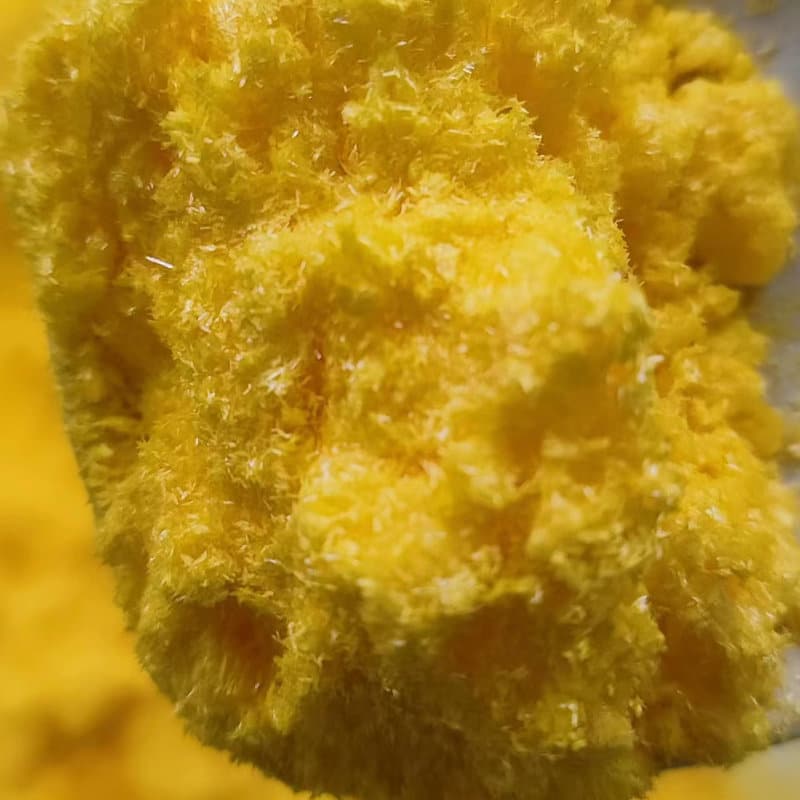
Retinal 98% 116-31-4 Vitamin-A-Aldehyd
Retinal 98% 116-31-4 Vitamin-A-Aldehyd
Veröffentlichungsdatum:
2026-10-09
Hydroxypinacolone Retinoate Chinesisch
Viele, die nach Hydroxypinacolone Retinoate, HPR oder CAS 893412-73-2 suchen, möchten zuerst wissen:
Wie heißt Hydroxypinacolon-Retinoat auf Chinesisch?
Die Antwort ist ganz einfach:
Der chinesische Name von Hydroxypinacolone Retinoate lautet „羟基频哪酮视黄酸酯“
und wird in der Branche üblicherweise mit
HPR
abgekürzt. Es gehört zu den Vitamin-A-Kosmetikrohstoffen und in Materialbeschaffung, Formularentwicklung, COA, SDS, TDS sowie Produktetiketten erscheinen häufig gleichzeitig der chinesische Name, der englische Name und die Abkürzung HPR.
Die gängigen chinesischen und englischen Informationen zu Hydroxypinacolon-Retinoat sind wie folgt:
| Chinesischer Name | Hydroxypinacolon-Retinoat |
| Englischer Name | Hydroxypinacolone Retinoate |
| Gängige Abkürzung | HPR |
| INCI-Name | HYDROXYPINACOLONE RETINOATE |
| CAS-Nummer | 893412-73-2 |
| Summenformel | C26H38O3 |
| Molekulargewicht | 398,58 g/mol |
Wenn der Kunde also
Hydroxypinacolone Retinoate, HPR oder CAS 893412-73-2
angibt, ist damit in der Regel das gemeint, was im Chinesischen als
Hydroxypinacolon-Retinoat
。
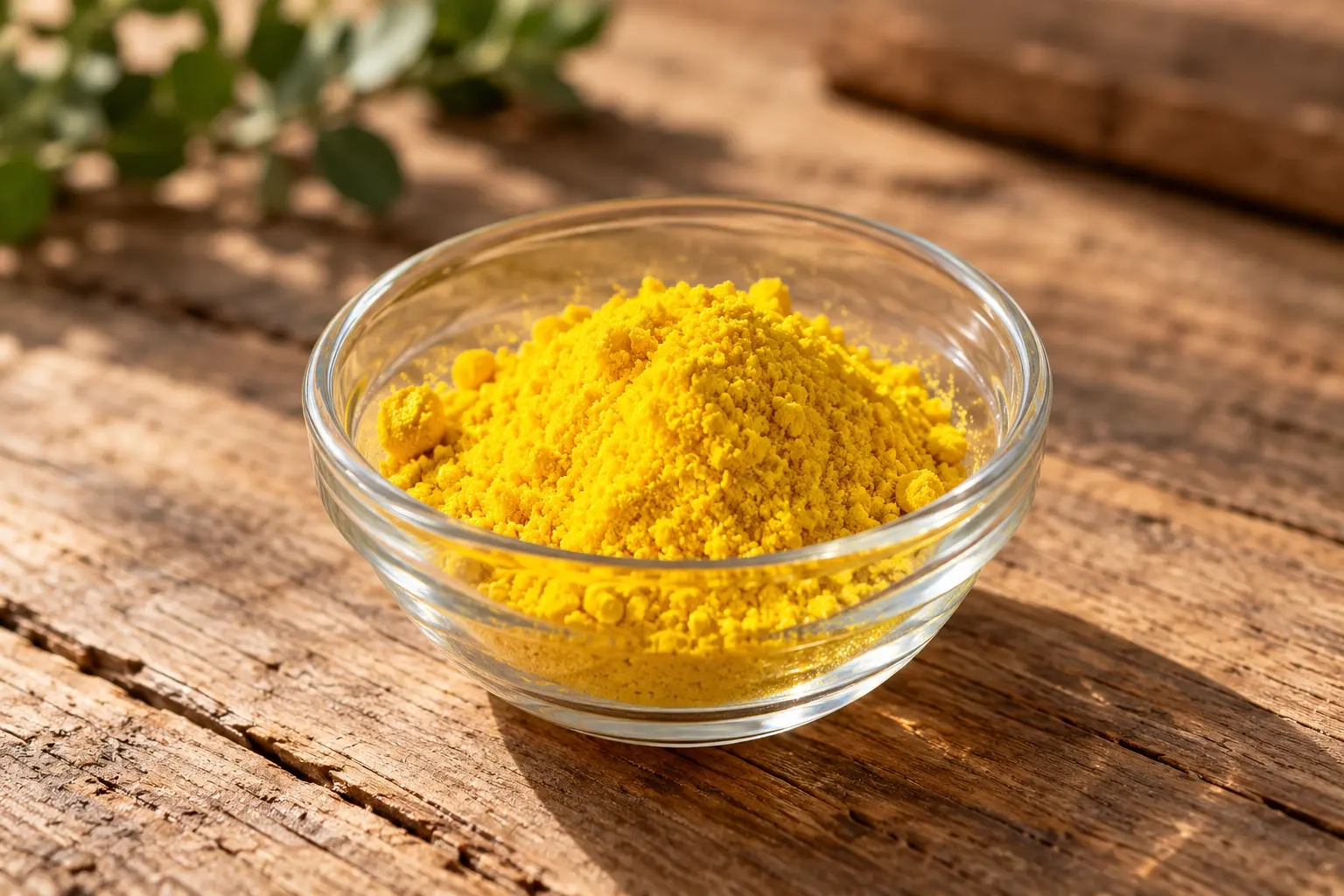
Hydroxypinacolone Retinoate ist der englische Name des Rohstoffs, wobei „Retinoate“ mit der Struktur der Retinsäure verwandt ist. In chinesischen Kosmetikrohstoff-Dokumentationen und in der Lieferkettenkommunikation wird üblicherweise
Hydroxypinacolon-Retinoat
diese chinesische Bezeichnung verwendet.
Da der englische Name recht lang ist, verwenden viele Kunden in Forschung und Entwicklung, Beschaffung und Rohstoffhandel direkt die Abkürzung
HPR
Daher beziehen sich Formulierungen wie „HPR-Rohstoff“, „HPR-Pulver“ oder „HPR 99 %“ in der Regel auf Hydroxypinacolone Retinoate.
In verschiedenen Produktunterlagen, E-Commerce-Seiten, Chemiedatenbanken oder Lieferanteninformationen finden sich manchmal ähnliche chinesische Schreibweisen, zum Beispiel:
Hydroxypinacolon-Retinoat
Hydroxypinacolon-Retinoat
Hydroxypinacolon-Retinoat
Hydroxypinacol-Retinoat
HPR
Wenn diese Bezeichnungen in Produktunterlagen, technischen Dokumenten, Produktseiten einer Website oder Kundenangeboten verwendet werden, empfiehlt es sich, vorrangig
„Hydroxypinacolon-Retinoat (Hydroxypinacolone Retinoate, HPR)“
zu verwenden und gleichzeitig
CAS 893412-73-2
anzugeben, um Identifikationsprobleme aufgrund unterschiedlicher Übersetzungsweisen zu vermeiden.
Nein.
Hydroxypinacolon-Retinoat und Retinol sind nicht dieselbe Verbindung.
Obwohl beide zu den Vitamin-A-bezogenen kosmetischen Wirkstoffen gehören, unterscheiden sich ihre englischen Bezeichnungen, CAS-Nummern und chemischen Strukturen.
| Projekt | Hydroxypinacolon-Retinoat | Retinol |
|---|---|---|
| Englischer Name | Hydroxypinacolone Retinoate | Retinol |
| Abkürzung | HPR | Retinol |
| CAS-Nummer | 893412-73-2 | 68-26-8 |
| Summenformel | C26H38O3 | C20H30O |
Daher darf man bei der Beschaffung von Vitamin-A-Kosmetikrohstoffen nicht nur allgemeine Bezeichnungen wie „Vitamin A“ oder „A-Alkohol“ betrachten, sondern sollte weitere Angaben prüfen.
Englischer Name, CAS-Nummer, Gehalt und COA
。
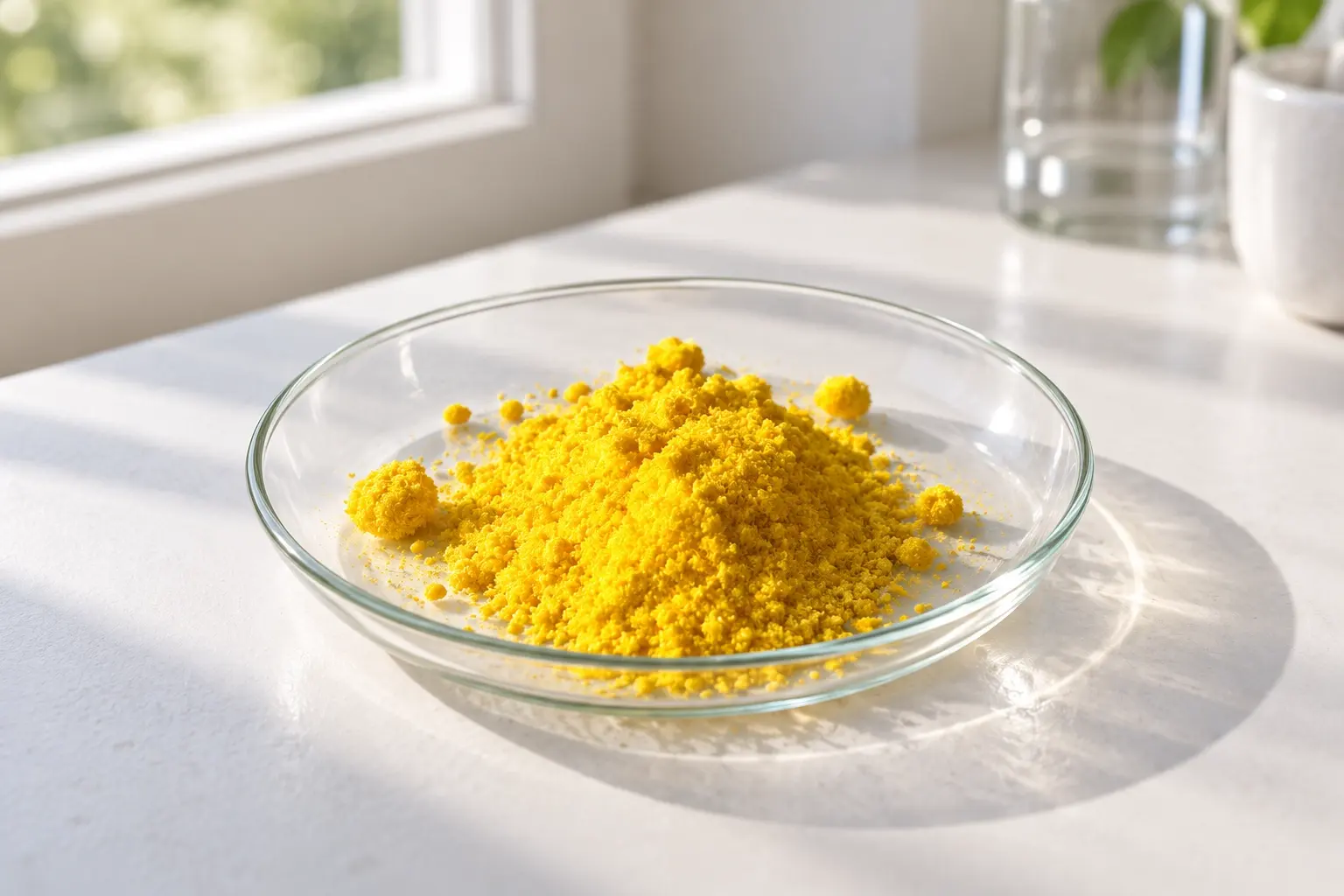
Ausgehend von der Rohstoffklassifizierung ist HPR ein Vitamin-A-assoziierter Ester-Rohstoff und gehört zum öllöslichen Rohstoffsystem. Beim Einkauf des Reinprodukts sollten neben dem chinesischen Namen auch die Rohstoffreinheit, die Prüfmethoden, das Aussehen, die Lagerbedingungen sowie die Chargenprüfdaten besonders beachtet werden.
HPR-Produkte auf dem Markt können in unterschiedlicher Reinheit, mit unterschiedlichen Trägern und in unterschiedlichen kommerzialisierten Formen vorliegen. Daher
"HPR-Rohstoff" und "HPR-haltige Compound-Rohstoffe" können nicht einfach als völlig identische Produkte betrachtet werden.
Beim Einkauf sollte der tatsächliche HPR-Gehalt im COA oder Spezifikationsblatt geprüft werden.
Wenn Kosmetikmarken, OEM-/ODM-Fabriken, Forschungs- und Entwicklungslabore oder Rohstoffhändler HPR einkaufen, reicht die Bestätigung des chinesischen Namens allein nicht aus. Es wird empfohlen, mindestens die folgenden Punkte zu überprüfen:
Produktname:
Hydroxypinacolon-Retinoat
Englischer Name:
Hydroxypinacolone Retinoate
CAS-Nummer:
893412-73-2
Tatsächlicher Gehalt:
Bestätigen Sie, ob es sich um hochreines HPR oder einen Compound-Rohstoff handelt
Testmethode:
Prüfen Sie die Testparameter und Testmethoden im COA
Chargendaten:
Für verschiedene Chargen sollten die entsprechenden COA-Testergebnisse maßgeblich sein
Technische Unterlagen:
Bestätigen Sie, ob COA, SDS, TDS oder Spezifikationsdatenblatt bereitgestellt werden können
Lagerbedingungen:
Gemäß den Anforderungen der Lieferantenetiketten und technischen Unterlagen lichtgeschützt, dicht verschlossen und temperaturkontrolliert lagern
Insbesondere beim Vergleich von Produkten verschiedener Lieferanten wird nicht empfohlen, den Preis allein anhand der Bezeichnung „HPR“ zu vergleichen, da 99 % hochreines Pulver, niedrig dosierte Compound-Lösungen sowie trägerbehandelte HPR-Rohstoffe deutliche Unterschiede im tatsächlichen Gehalt und in der Anwendung aufweisen können.
Bei der Erstellung von Angeboten, Produktetiketten, technischen Unterlagen oder Exportdokumenten kann wie folgt ausgefüllt werden:
Chinesische Bezeichnung:
Hydroxypinacolon-Retinoat
Englischer Name:
Hydroxypinacolone Retinoate
Abkürzung:
HPR
CAS-Nr.:
893412-73-2
Diese Schreibweise enthält gleichzeitig die chinesische Bezeichnung, die englische Bezeichnung, die Abkürzung und die CAS-Nummer und ist sowohl für inländische als auch für ausländische Kunden leicht zu erkennen.
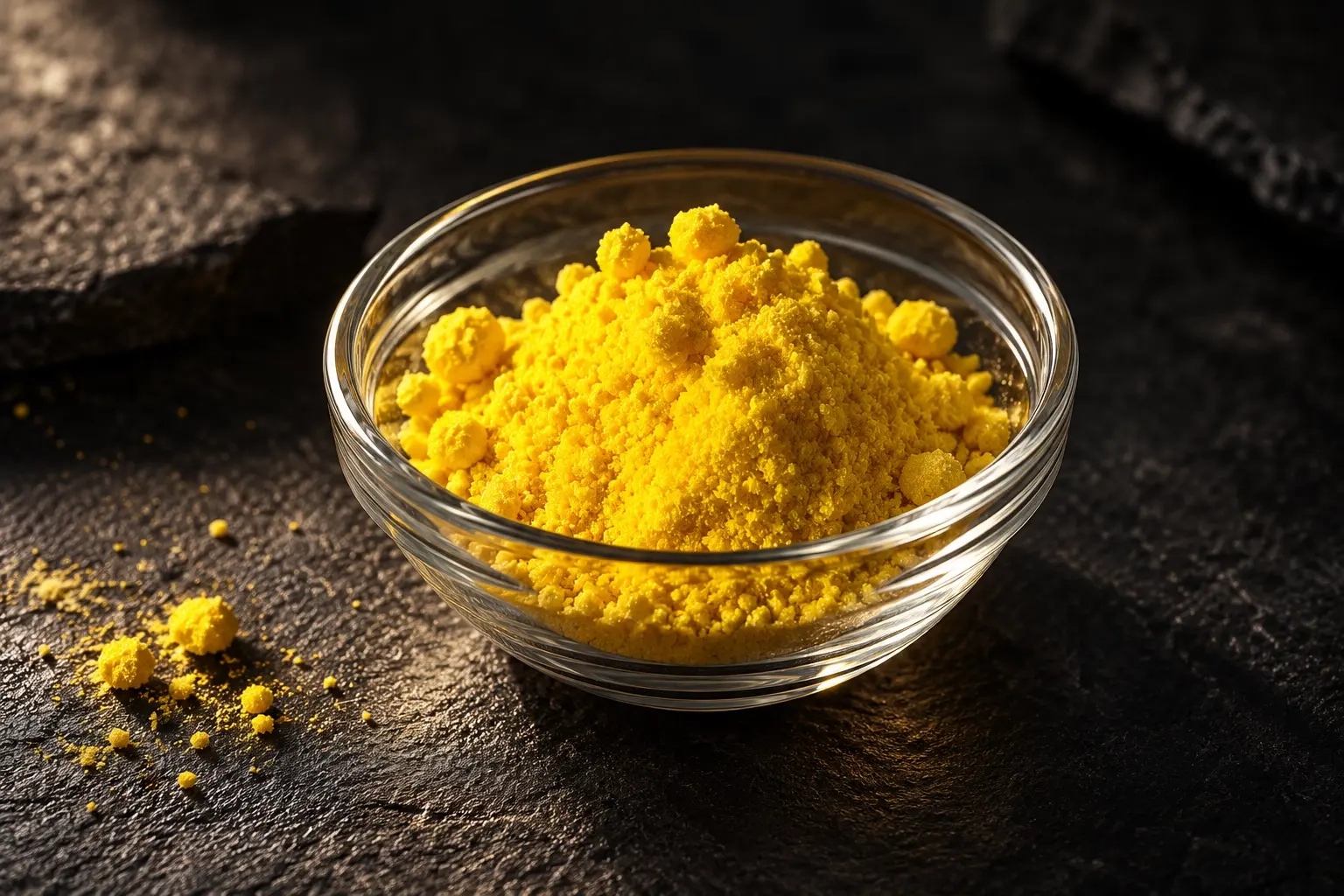
Der chinesische Name von HPR wird üblicherweise geschrieben als
Hydroxypinacolon-Retinoat
, der vollständige englische Name lautet Hydroxypinacolone Retinoate.
Der Hydroxypinacolone Retinoate entsprechende chinesische Name ist
Hydroxypinacolon-Retinoat
。
Die CAS-Nummer von Hydroxypinacolone Retinoate lautet
893412-73-2. Beim Einkauf oder bei der Recherche technischer Unterlagen kann diese CAS-Nummer verwendet werden, um die Identität des Rohstoffs weiter zu überprüfen.
Ja, HPR ist die gebräuchliche englische Abkürzung für Hydroxypinacolone Retinoate und bezieht sich in der heimischen Rohstoffbranche üblicherweise auf Hydroxypinacolone Retinoate. Beim tatsächlichen Einkauf sollten jedoch dennoch die CAS-Nummer und der Produktgehalt überprüft werden, um eine Verwechslung von reinem HPR mit HPR-haltigen Formulierungsrohstoffen zu vermeiden.
Nein. Der englische Name von Hydroxypinacolon-Retinoat lautet Hydroxypinacolone Retinoate, die CAS-Nummer ist 893412-73-2; der englische Name von Retinol lautet Retinol, die CAS-Nummer ist 68-26-8. Es handelt sich um zwei verschiedene chemische Stoffe.
Der chinesische Name von Hydroxypinacolon-Retinoat ist einfach „羟基频哪酮视黄酸酯“
, der englische Name lautet
Hydroxypinacolone Retinoate
, in der Branche wird es üblicherweise abgekürzt als
HPR
, die CAS-Nummer ist
893412-73-2, die Summenformel lautet
C26H38O3
, das Molekulargewicht beträgt etwa
398,58 g/mol
。
Wenn es um Rohstoffbeschaffung, Produktentwicklung oder Lieferantenauswahl geht, wird empfohlen, ein Produkt nicht nur anhand der Abkürzung „HPR“ zu beurteilen, sondern auch die CAS-Nummer, den tatsächlichen Gehalt, COA, SDS, TDS sowie die konkreten Produktspezifikationen zur Bestätigung heranzuziehen. So lässt sich hochreines Hydroxypinacolon-Retinoat genauer von verschiedenen Formen von HPR-Kombinationsrohstoffen unterscheiden.
Tags:
Vorheriger Artikel
Nächster Artikel
Vorheriger Artikel
Nächster Artikel
Ähnliche Nachrichten
Wirkung von Hydroxypinacolon-Retinoat
2026-10-09
Wirkung von Hydroxypinacolon-Retinoat
2026-10-09
Hydroxypinacolone Retinoate Pinyin
2026-10-09
Retinal 98% 116-31-4 Vitamin-A-Aldehyd
Retinol 99% Vitamin-A-Alkohol 68-26-8
Hydroxypinacolon-Retinoat 99% HPR 893412...